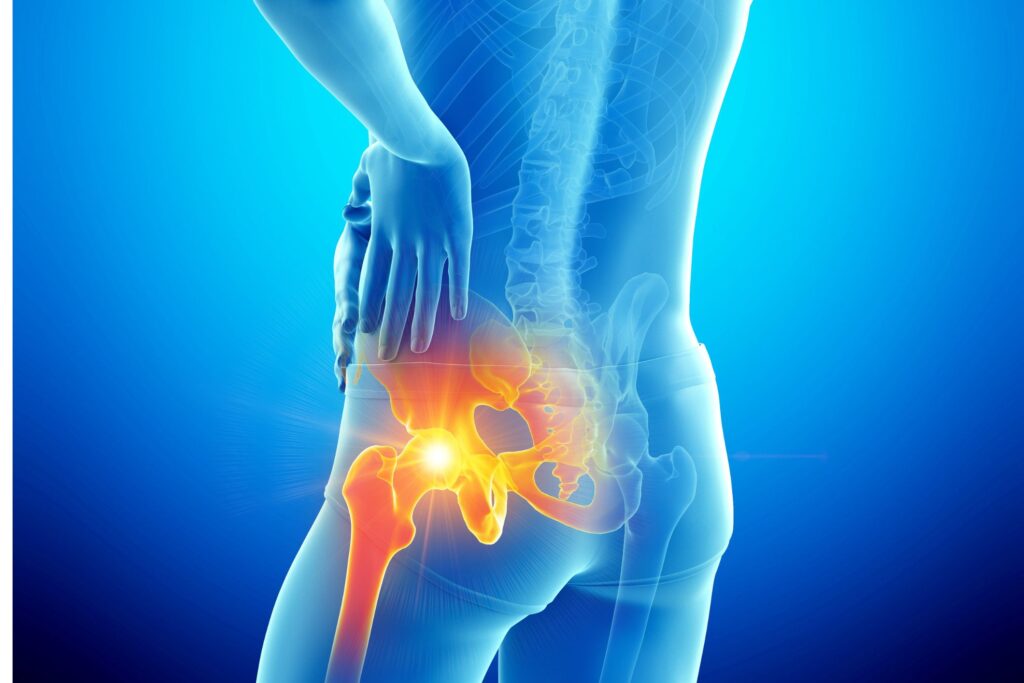
A meniscus tear is one of the most common knee injuries, affecting athletes and active individuals. It can occur due to sudden twisting, overuse, or age-related degeneration. Early intervention is critical to prevent worsening damage and maintain joint health.
Patients seeking professional meniscus tear treatment often experience reduced pain and improved knee function. Treatment options vary depending on tear type, severity, and overall knee condition. Consulting an orthopaedic specialist ensures accurate diagnosis and personalized care plans.
Understanding Meniscus Tears
The meniscus is a C-shaped cartilage that cushions the knee and stabilizes the joint. Tears can occur in the medial (inner) or lateral (outer) meniscus.
Types of Meniscus Tears
- Vertical tears: Often seen in athletes; can sometimes heal with surgery.
- Horizontal tears: Typically caused by wear and tear; may require partial removal.
- Radial tears: Begin at the center of the meniscus and can affect stability.
- Complex tears: Involve multiple tear patterns and often need surgical intervention.
Common Symptoms
Patients often report swelling, stiffness, and pain along the knee joint line. Locking or catching sensations may indicate a displaced fragment. Early diagnosis reduces long-term complications.
Non-Surgical Meniscus Tear Treatment
Many meniscus injuries respond well to conservative treatment, especially minor or stable tears.
Rest, Ice, Compression, Elevation (RICE)
This foundational approach reduces pain and swelling. Patients should avoid activities that worsen symptoms while supporting healing.
Physical Therapy
Structured exercises restore strength, flexibility, and stability. Therapists design programs to target quadriceps, hamstrings, and surrounding muscles for optimal joint support.
Medications
Anti-inflammatory drugs or pain relievers may help manage discomfort during the recovery period. Proper usage under medical supervision ensures safety and effectiveness.
Bracing and Activity Modification
Knee braces may protect the joint during movement, while temporary activity changes prevent further damage. Patients are encouraged to gradually return to daily activities under guidance.
Surgical Meniscus Tear Treatment
Surgery is often necessary for large, displaced, or complex tears that fail to heal with conservative care.
Meniscus Repair
Meniscus repair aims to preserve cartilage by suturing torn edges. It is most effective in younger patients or tears in the vascular (outer) zone. Recovery requires careful adherence to post-surgical protocols for optimal healing.
Partial Meniscectomy
In cases where repair is not feasible, the damaged portion is removed to relieve symptoms. This approach restores mobility but may increase long-term risk of osteoarthritis if excessive tissue is removed.
Meniscus Transplantation
Rarely, a meniscus transplant may be considered for patients with extensive cartilage loss or previous meniscectomy. Donor tissue replaces damaged cartilage, restoring cushioning and stability.
Recovery and Rehabilitation
Rehabilitation is essential for both non-surgical and surgical treatments. It ensures proper healing and reduces the risk of re-injury.
Early Recovery
Initial care focuses on pain management, reducing swelling, and protecting the joint. Weight-bearing and range-of-motion exercises may be introduced gradually based on tear type.
Strength and Flexibility
Strengthening surrounding muscles supports the knee and prevents future injury. Stretching and mobility exercises maintain flexibility and joint function.
Functional Training
Patients progress to sport-specific or activity-specific exercises to safely return to their normal routine. Gradual load increase enhances endurance and knee stability.
Long-Term Care
Maintaining an active lifestyle with joint-friendly exercises protects the meniscus. Low-impact activities such as swimming, cycling, or walking support knee health. Patients should avoid sudden twisting movements or high-impact sports initially.
Preventing Future Meniscus Injuries
Prevention is key to long-term knee health.
Proper Training and Warm-Up
Athletes should incorporate warm-up routines that focus on flexibility and strength. Gradual intensity increases reduce strain on the meniscus.
Strengthening Exercises
Targeting the quadriceps, hamstrings, and hip muscles enhances knee stability. Consistent training lowers the risk of injury.
Balance and Coordination
Exercises that improve balance, proprioception, and agility help prevent falls and sudden twists that can damage the meniscus.
Weight Management
Maintaining a healthy weight reduces knee joint stress. This is particularly important for older adults or those with degenerative cartilage changes.
Risks and Considerations
Even with treatment, patients must be aware of potential complications.
Surgical Risks
Infections, blood clots, stiffness, or incomplete healing may occur. Choosing an experienced orthopaedic surgeon reduces these risks.
Non-Surgical Risks
Failure to improve symptoms, continued pain, or progression to more severe tears may happen if conservative care is insufficient. Regular monitoring ensures timely intervention.
Long-Term Joint Health
Patients with previous meniscus tears have an increased risk of osteoarthritis. Adopting joint-friendly habits and regular check-ups supports long-term function.
Choosing an Orthopaedic Specialist
Selecting a skilled specialist is critical for optimal meniscus tear treatment outcomes.
Expertise and Experience
Specialists with advanced training in knee injuries ensure precise diagnosis, appropriate treatment selection, and safe surgical techniques.
Clinic Facilities
Comprehensive clinics equipped with modern imaging, surgical technology, and rehabilitation services provide coordinated care for better results.
Personalized Care
Customized treatment plans consider patient age, activity level, tear type, and overall knee condition. This individualized approach maximizes recovery potential and preserves knee health.
Conclusion
Meniscus tears can significantly impact mobility and quality of life. Early consultation and accurate diagnosis are essential for effective treatment. Conservative methods, such as RICE, physical therapy, and bracing, often provide relief for minor injuries.
For larger, complex, or displaced tears, surgical interventions including meniscus repair, partial meniscectomy, or transplantation offer excellent outcomes. Successful recovery relies on structured rehabilitation, lifestyle adjustments, and long-term joint care.
Patients who follow post-treatment guidelines and preventive measures enjoy restored knee function, reduced pain, and a higher quality of life. Consultation with a skilled orthopaedic specialist ensures personalized care, precise treatment, and lasting joint health.